The Sunset-Chasing Myth: Coastal Light Has More Than One Mood
Coastal light changes the mood of a shoreline. Learn how cloud, glare, and sun direction shape color and reflection so you can choose when and where to look.
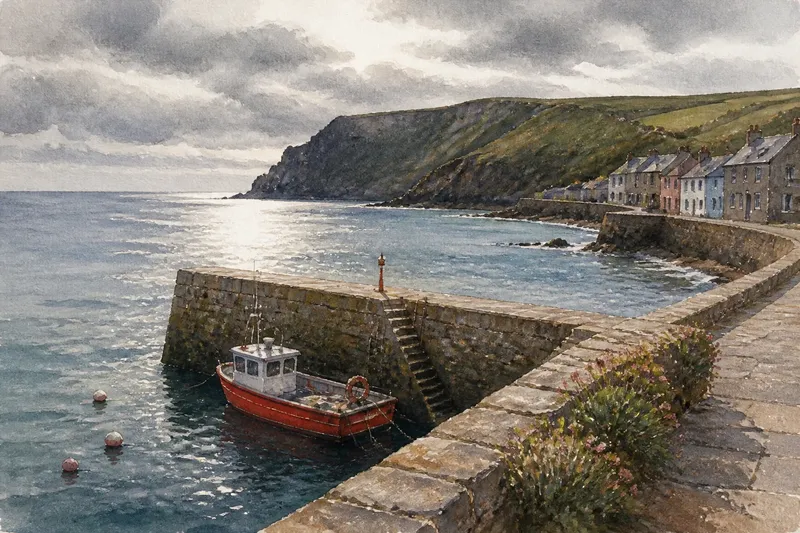
You arrive at the beach as a bank of clouds moves over the water, and the bright horizon you expected disappears. Coastal light still gives you useful cues: a pale reflection on the sea, a shadow shifting across a cliff, or a change in color where the water meets the sky.
Instead of treating sunset as the only worthwhile moment, match the conditions to what you want to see. Cloud cover, clear sun, and the sun’s direction each shape the shoreline differently—and the best position may be away from the horizon.
What does overcast coastal light do to color?
Cloud cover softens the difference between bright and shaded areas. The sky’s reflection can spread across the water, while the colors of a cliff, harbor wall, or beach may look more restrained and even.
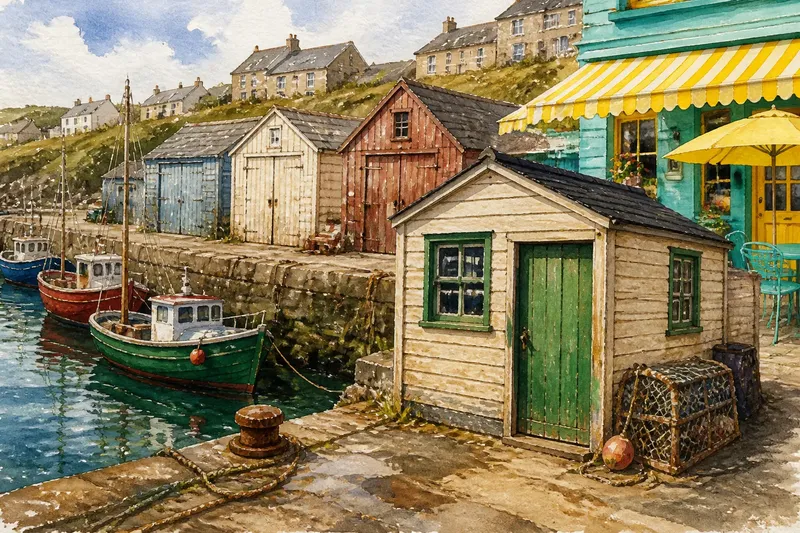
For a view with distinct color bands, look where land, water, and sky meet. A blue-gray sea beneath a pale cloud deck may contrast with the warmer tones of a headland. If the whole scene looks muted, turn toward a painted boat, beach hut, or patch of coastal vegetation for a stronger color accent.
For photography, place the shoreline or a recognizable coastal feature in the frame instead of relying on a dramatic sky. If the sky is much brighter than the land, adjust the framing to give the sky less space, or use your camera’s exposure controls to retain detail in the brighter area.
How does bright sun change a coastal view?
Clear sun creates strong differences between light and shade. A pale beach may appear bright, while the water can show sharp highlights or glare. Looking across the beach rather than directly toward the sun often makes it easier to see the boundary between land and water.
Try changing your angle before changing your camera settings. Polarized sunglasses can reduce some reflections, though their effect depends on where you are facing. If glare still obscures the surface, shift your attention to a less reflective subject, such as a cliff face, a shaded cove, or a boat in harbor.
Bright conditions can also make colors seem more separated: deep water against a light shoreline, for example, or a vivid beach hut against pale sand. Let one of those contrasts carry the view rather than trying to make every part of the scene equally bright.
Why does the sun’s direction matter?
Sun direction changes which features stand out. Light arriving from the side can define a cliff edge or the outline of a sea wall. Light behind a headland can make its shape read clearly against the sky, while light facing you may obscure distant detail with glare.
Check the direction before settling on a viewpoint. A map app with a compass can help you identify which way the shoreline faces; then compare the view from a path, overlook, or harbor wall that offers safe public access. The same coast can appear more defined or more silhouetted as the sun shifts.
Low sun does not always mean warm color, and morning light is not automatically different from evening light in a predictable way. Cloud, haze, and the land around the shore all affect the appearance. Pay attention to the direction and the visible result rather than choosing a time based on its name.
How should you choose a viewpoint for coastal light?
Start with the effect you want, then make a small adjustment to your position. Use this list to decide what to try next:
- Observation: The sun is in front of you and glare hides the water’s color. If the reflection blocks the view, then turn to look across the shore; otherwise, stay facing the water and compare the colors.
- Observation: A cliff edge blends into the landscape. If the light falls directly onto it, then move to a safe viewpoint where the sun reaches it from the side; otherwise, keep your position and look for a clear outline against the sky.
- Observation: The sky is much brighter than the beach. If the sky loses detail in your camera view, then frame less sky or adjust exposure; otherwise, include the sky and the land together.
- Observation: The sea and sky seem to merge. If their colors are too similar, then choose a viewpoint with a headland, harbor wall, or boat between them; otherwise, keep the open horizon in view.
- Observation: Strong reflections dominate the scene. If they make the subject hard to see, then try polarized sunglasses or turn toward a shaded area; otherwise, use the reflection as a visible part of the composition.
- Observation: Clouds cover the sun while you are there. If you want stronger outlines, then wait for a clear interval or choose a view with a distinct silhouette; otherwise, use the softer color and reflections in front of you.
Say you reach a harbor with a phone, a map app, and an invented plan to photograph a red boat against the sea. You check the compass and see that the sun is shining toward your chosen pier, then notice glare washing over the water. You walk to a safe public viewing spot beside the harbor wall and turn until the boat sits against a darker headland; the result is a clearer separation between boat and background, though the open reflection is no longer the main feature.
Which coastal light questions come up most often?
Is cloudy weather good for coastal photography?
It can suit scenes where you want a subdued palette or a broad reflection of the sky. If the view feels flat, include a distinct coastal feature such as a harbor wall, colored boat, or headland.
Is morning light different from sunset light?
Both can come from a low angle, but the direction depends on the coast’s orientation and the sun’s position. Check where the light falls on the feature you want to see rather than assuming one time will always produce warmer color.
How can I reduce glare on the water?
Change your angle first, since looking across the water may reveal more than facing the reflection. Polarized sunglasses can help with some glare; if the view remains obscured, choose a less reflective subject.
Does a gray sky make every coastal scene look dull?
No. A gray sky can soften color and create a broad reflection, while a strong silhouette or a contrasting harbor feature keeps the view defined.
What should you bring for changing coastal light?
Keep a few practical items in a small bag: sunglasses for glare, a brimmed hat for bright conditions, and a lens cloth if you use a camera or phone. A phone with a map and compass app can help you check shoreline direction, and a light layer is useful when wind changes.
When taking photographs, review the screen after adjusting exposure rather than applying a fixed look. If pale areas lose detail, reduce the sky in the frame or adjust exposure; if shaded areas become too dark, shift to a brighter viewpoint or accept the contrast as part of the scene.
Follow posted access signs and stay on public paths. At exposed shores, check local tide and weather guidance before choosing a route; if conditions or access are unclear, ask a local authority or qualified guide.
How can you plan a coastal visit without chasing sunset?
Choose the place and the visual effect together. For a clear outline, look for a viewpoint where light comes from the side or behind the feature. For broad reflections and muted color, an overcast interval may suit you; for bright water and crisp contrast, try a clear period and avoid facing directly into the glare.
Imagine you have an invented afternoon plan to view a headland from a public path, with a map app showing the coast’s direction and a cloudy forecast. You want the headland’s shape to stand out, so you check the view when you arrive. If the clouds leave the outline indistinct, you move to a safe viewpoint where the headland meets the brighter sky; the headland becomes easier to distinguish, but the sea’s reflection takes a smaller role.
Use coastal light as a practical clue when choosing where to stand and what to frame. That small decision can make a harbor, headland, or open stretch of water easier to read, even when the sky does not deliver a sunset.